
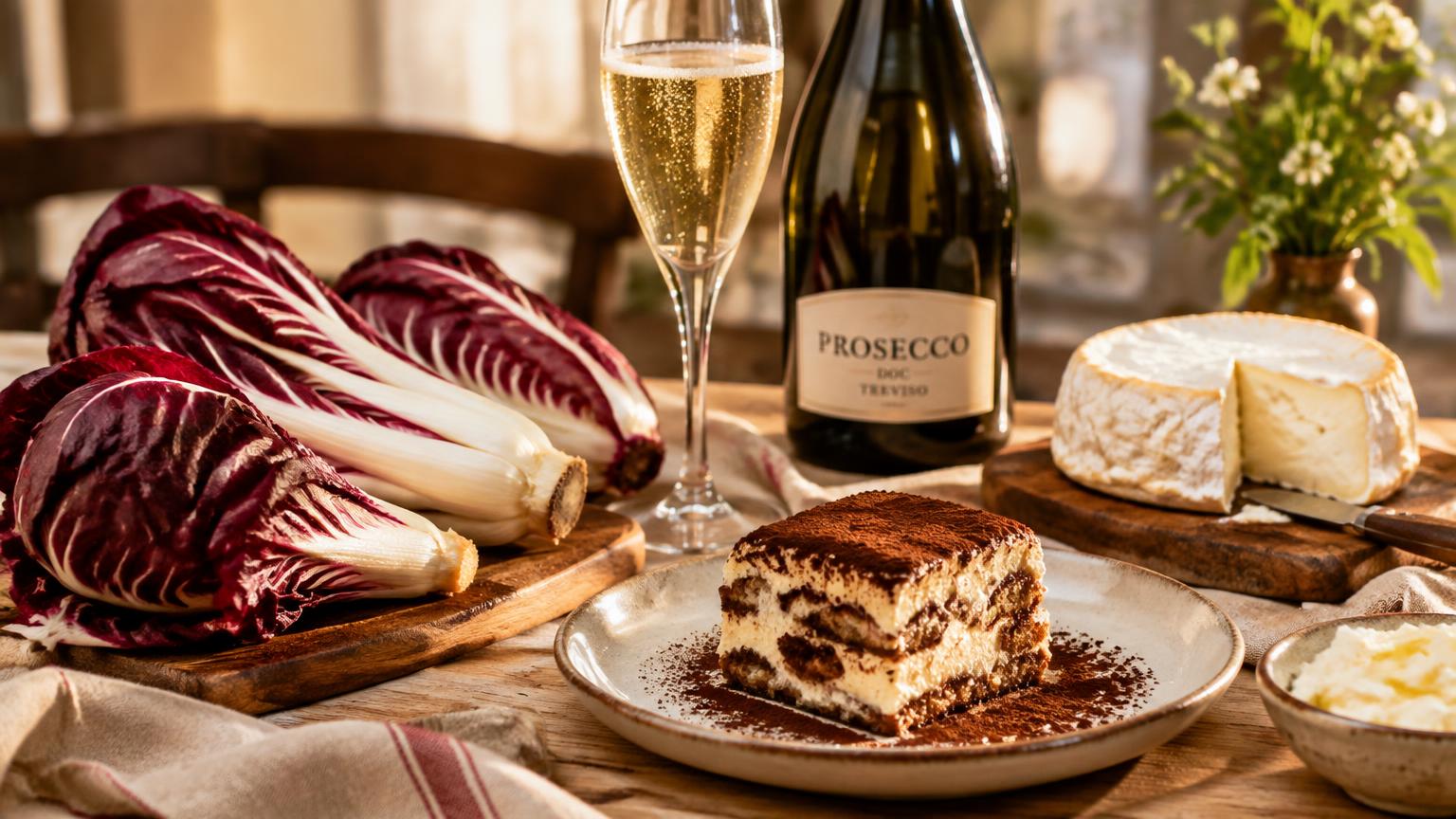
Flavours of Treviso
Flavours of Treviso
A guide to the products and dishes born in this land of water and vegetable gardens: what they are, when they are at their best, and how to try them on your own.
Treviso's cooking comes from gardens, rivers and patience. It grew on a fertile plain crossed by clean springs, where families grew few things and grew them very well. It is not showy food: simple ingredients treated with almost artisanal care.
Three words explain most of it. Water, because the springs of the Sile allow the "forcing" of radicchio and the raising of fish. Time, because many products depend on frost, curing or months of waiting. And company, because here people eat standing at the counter, small glass in hand, talking.
This guide names products and dishes, never businesses. That way you can recognise them in any market, bar or home kitchen and decide for yourself where to try them.
A journey through the flavours of Treviso and Veneto
Vegetable
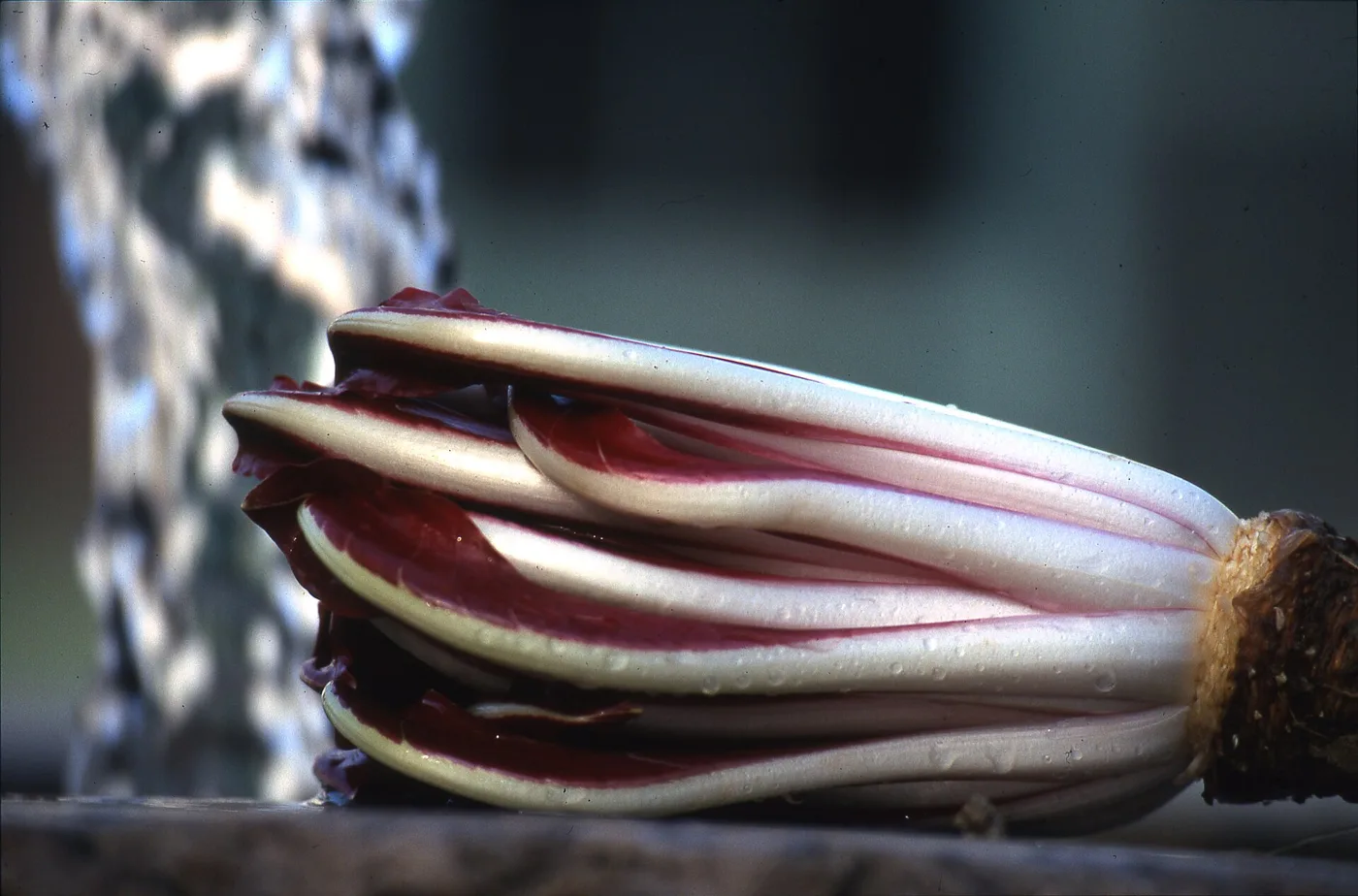
Radicchio Rosso di Treviso
Season: November to February, best after the first frosts
The city's culinary symbol comes in two versions: the early one, closer to an elongated lettuce, and the late (tardivo), the famous one, with dark red leaves and thick, crunchy white ribs.
The tardivo goes through a rare process: after frost, the plants are moved to tanks of spring water at a constant twelve degrees, where they sprout again in the dark. Only the heart is kept, cleaned leaf by leaf by hand. That is why it costs more and has that elegant bitterness with almost no fibre.
At the table it appears raw in salads with oil and a little vinegar, grilled with coarse salt, in risotto, in pasta, preserved in oil, even as a jam served with cheese.
How to try it: Look for it at winter street markets and try it both raw and grilled to feel the difference in bitterness.
Goes with: Light local red, fresh cheese, grilled meat.

Wine
Prosecco
Season: all year; harvest in August and September
Prosecco comes from the glera grape, grown on the hills north of the city between Conegliano and Valdobbiadene and on the surrounding plain. Second fermentation in tank gives it fine bubbles and aromas of green apple, pear and white blossom.
Styles run from brut, the driest, to extra dry and dry. There is also col fondo, refermented in the bottle, cloudy and bready, surprising anyone who only knows the commercial style.
Here prosecco is not for exceptional celebrations: it is the end-of-day glass, served cold, almost always with something salty to eat by hand.
How to try it: Order a plain glass in the late afternoon, and try a col fondo version if you find one.
Goes with: Fried food, fresh cheese, cured meats, fish.
Dessert
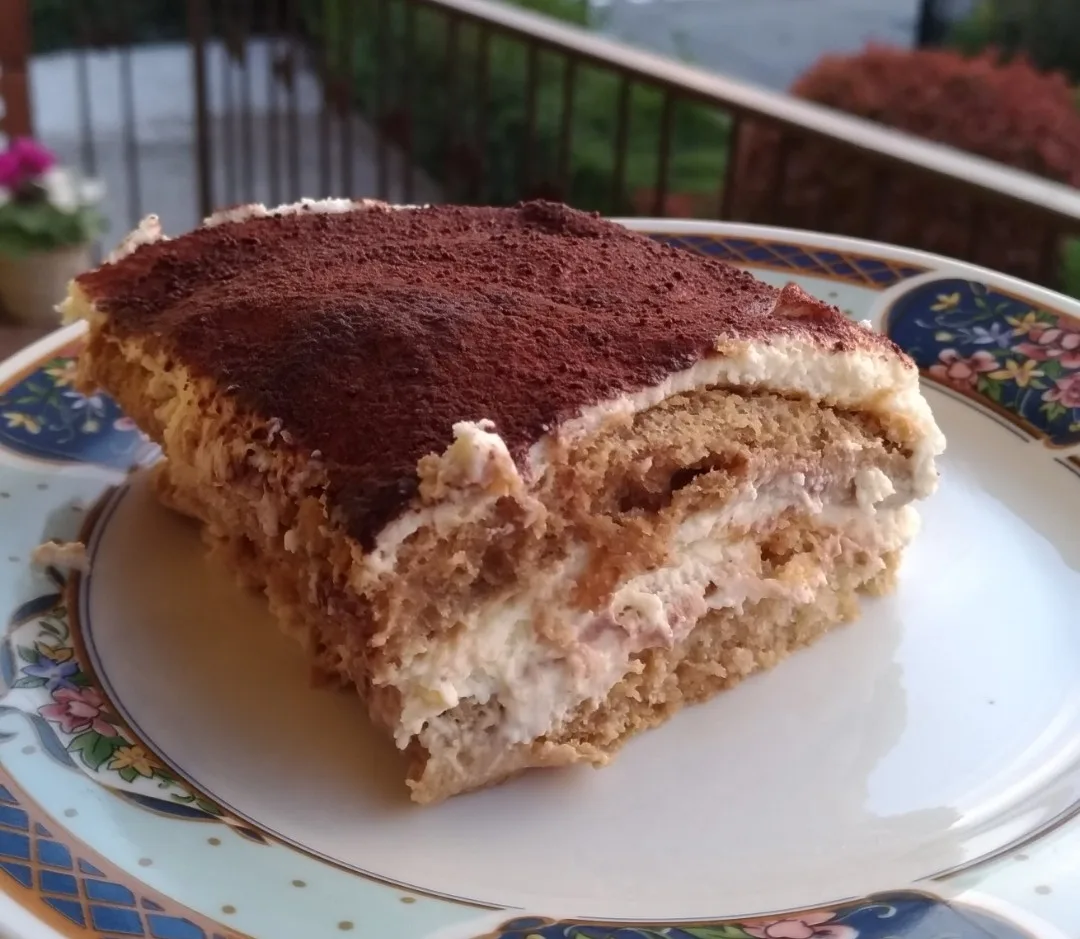
Tiramisù
Season: all year
The classic recipe has few elements: egg yolks beaten with sugar, mascarpone, savoiardi biscuits soaked in coffee, cocoa powder on top. No whipped cream, no obligatory alcohol, no gelatine.
The city considers itself the birthplace of the dessert, created here in the second half of the 20th century, and the region even hosts a world championship for it. Arguing about the "right" recipe is a local sport.
A good tiramisù is soft but not runny, sweet without being sugary, and the coffee should clearly show.
How to try it: Try a classic version before the fruit or pistachio variations.
Goes with: A short coffee after, or a local sweet wine.
Cured meat
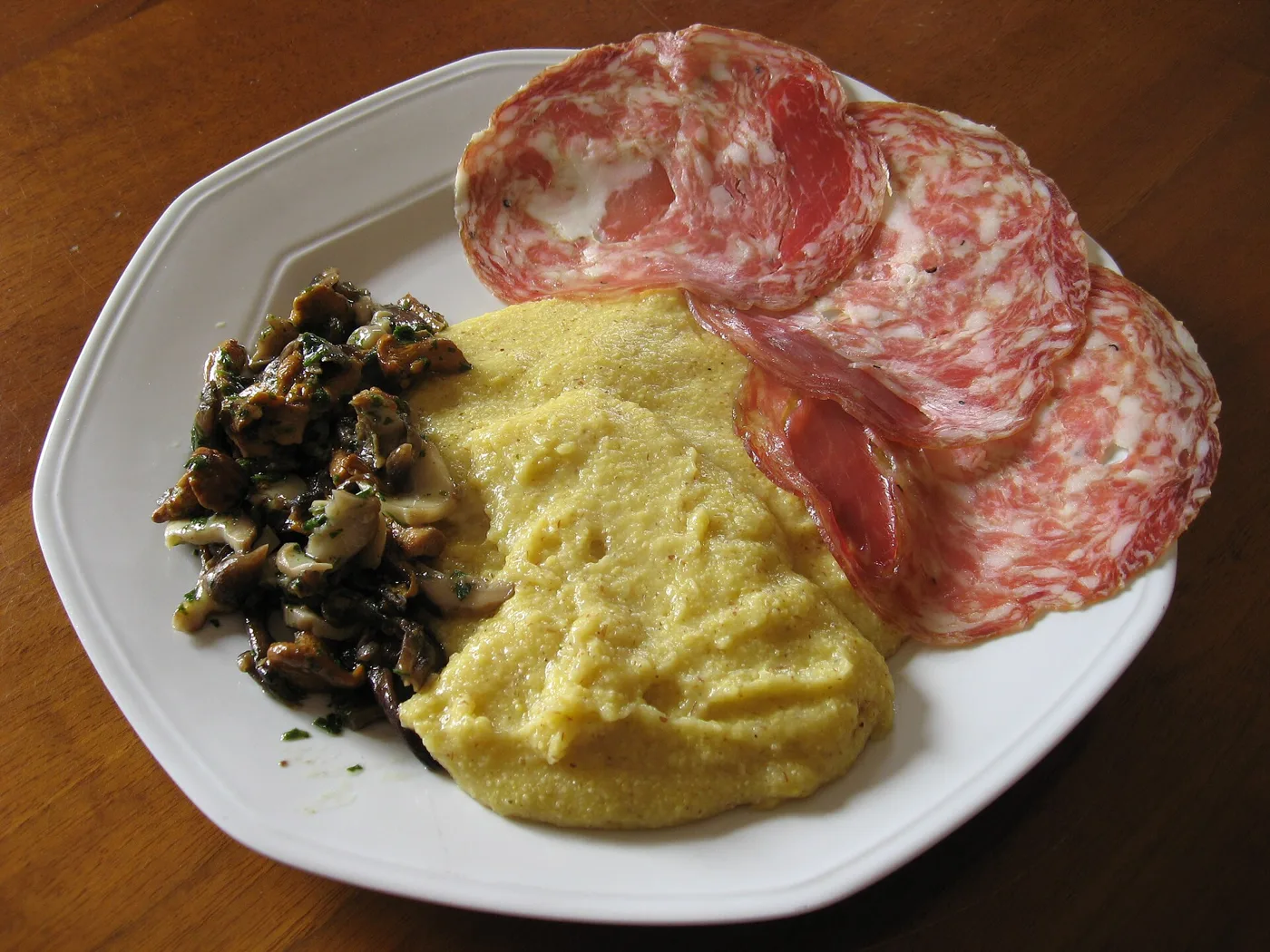
Sopressa veneta
Season: all year; traditionally made in winter
A large, soft, barely smoked salami seasoned with salt, pepper, garlic and sometimes mild spices, cured for several months. It is cut in thick slices, quite unlike thin hard salami.
Its softness and gentle taste come from regional pork and a slow cure in humid air. Some versions are cured around a whole garlic clove.
Eat it with bread, grilled polenta or in a simple sandwich, usually as the first thing on the table.
How to try it: Thick slices with polenta is the most traditional way.
Goes with: Young local red or a glass of house wine.
Main dish
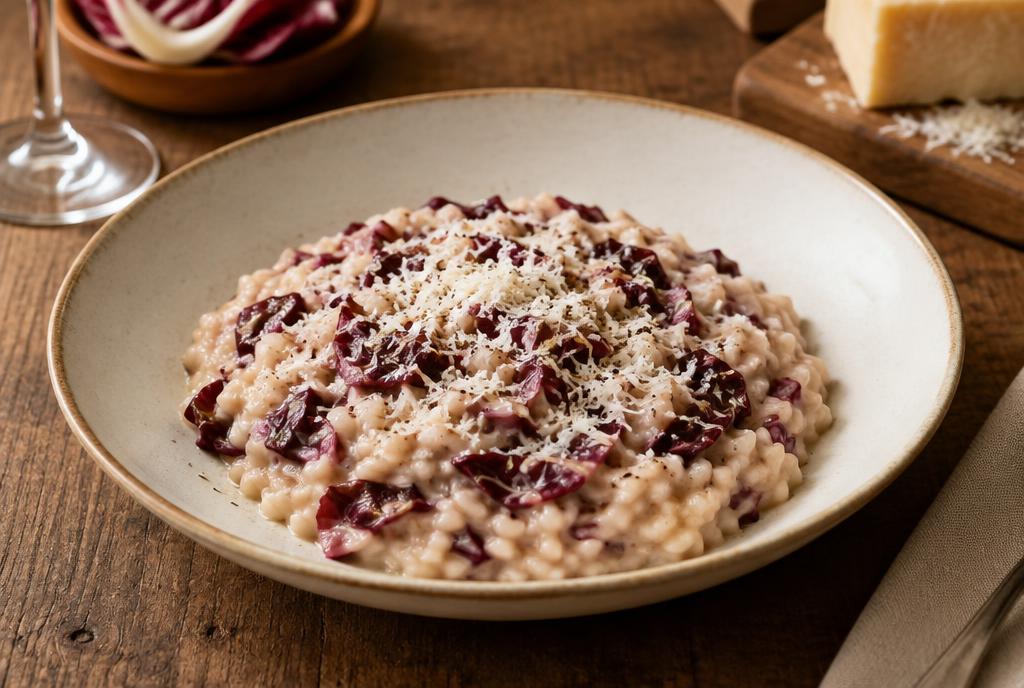
Radicchio risotto
Season: winter
A home dish turned restaurant classic: rice from the Venetian plain, onion, stock, wine and chopped late radicchio, which tints the rice deep pink and leaves a soft bitterness.
Versions vary: with grated aged cheese, with a little cured meat, with fresh cheese melted at the end, or just butter and pepper.
It is winter food, warm and comforting, and a good way to understand cooked radicchio, very different from raw.
How to try it: Try it between December and February when the tardivo is at its peak.
Goes with: Dry local white or a light red.
Cheese
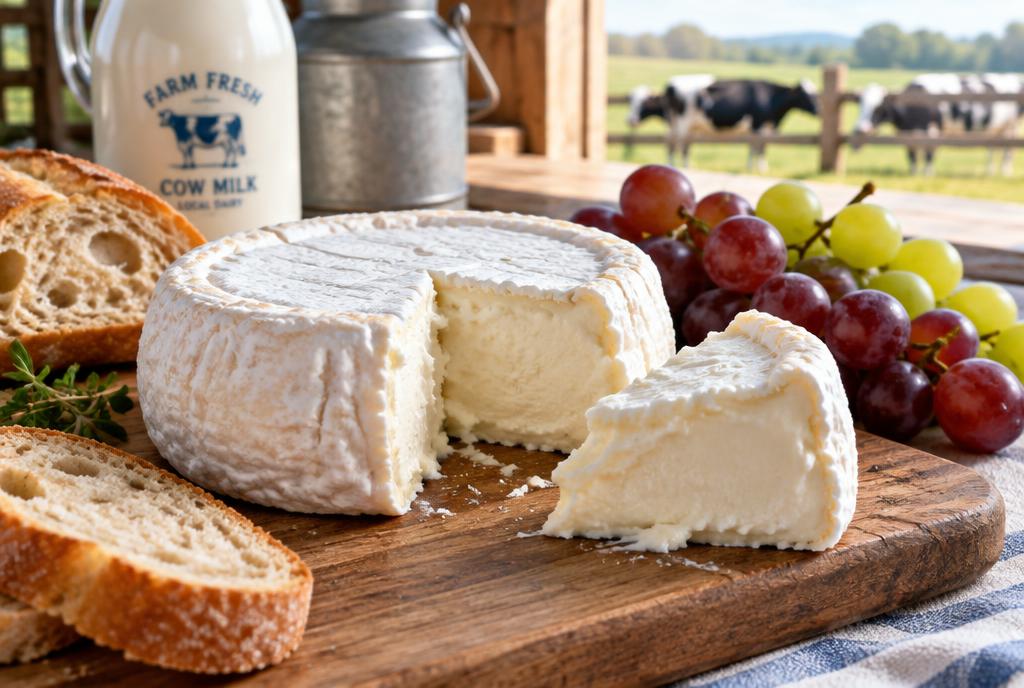
Casatella Trevigiana
Season: all year
A very soft fresh cow's milk cheese, creamy, delicate and slightly tangy. It was the "house" cheese, made with the day's milk and eaten within days.
It has a thin rind and an almost spreadable interior. Today it is a protected-origin product with rules on milk source and production in the province.
Eat it with bread, polenta, grilled radicchio, or simply with a drizzle of olive oil.
How to try it: Buy a small piece at a cheese shop or market and eat it the same day.
Goes with: Prosecco or a fresh white wine.
Ritual
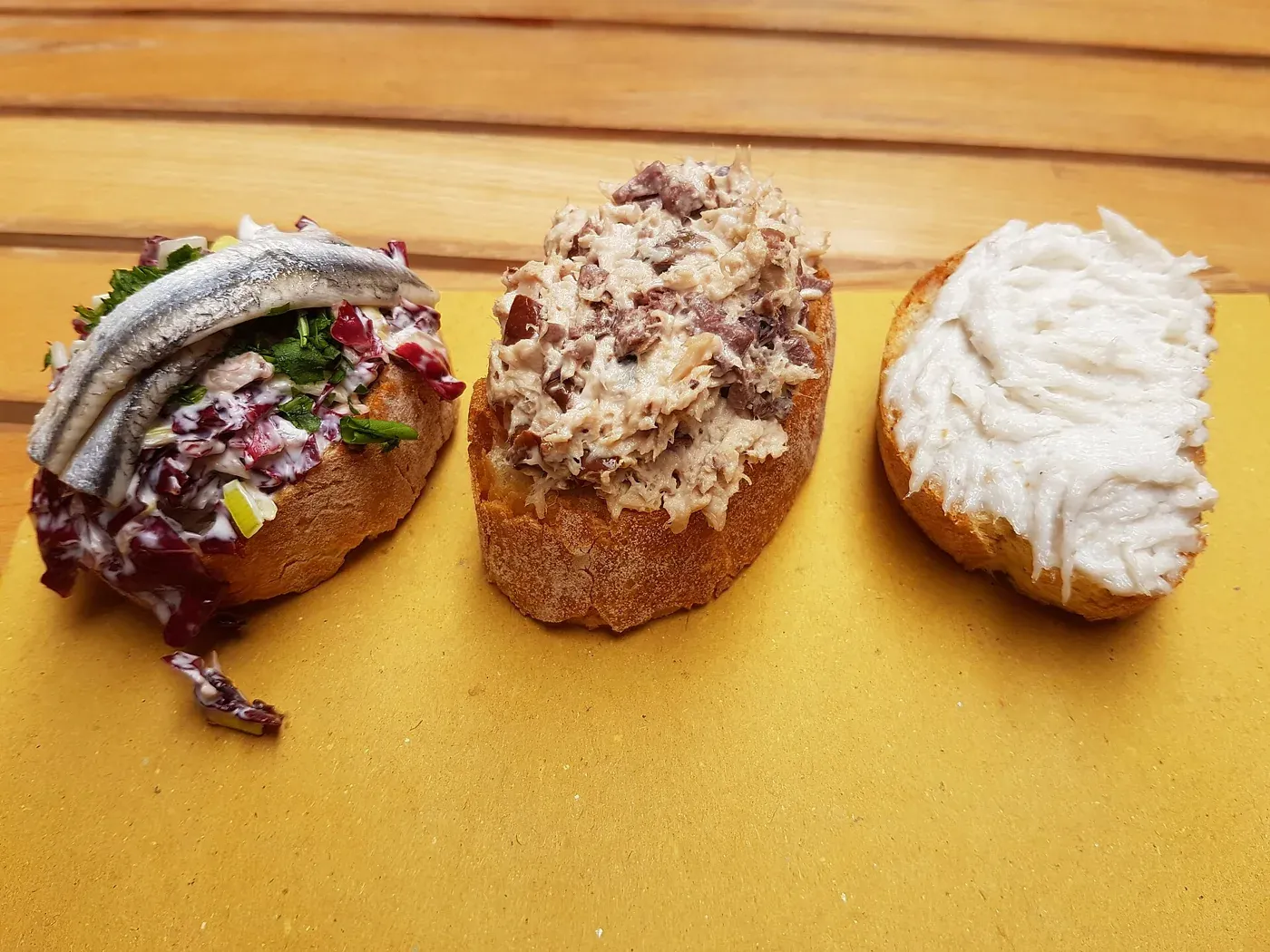
The ombra and the cicchetti
Season: all year, around 6 pm
"Going for an ombra" means having a small glass of wine at the counter. The name comes from the old habit of seeking the shade in the square to keep the wine cool.
The glass comes with cicchetti: small portions served on the bar — bread with creamed cod, eggs, polenta, preserved sardine, ham or cheese.
This is the city's social ritual: short, cheap, done standing, and the best way to meet locals without booking anything.
How to try it: Walk into a neighbourhood bar in the late afternoon, ask for a small glass and pick two or three snacks at the counter.
Goes with: House wine, prosecco or a spritz.
Starter
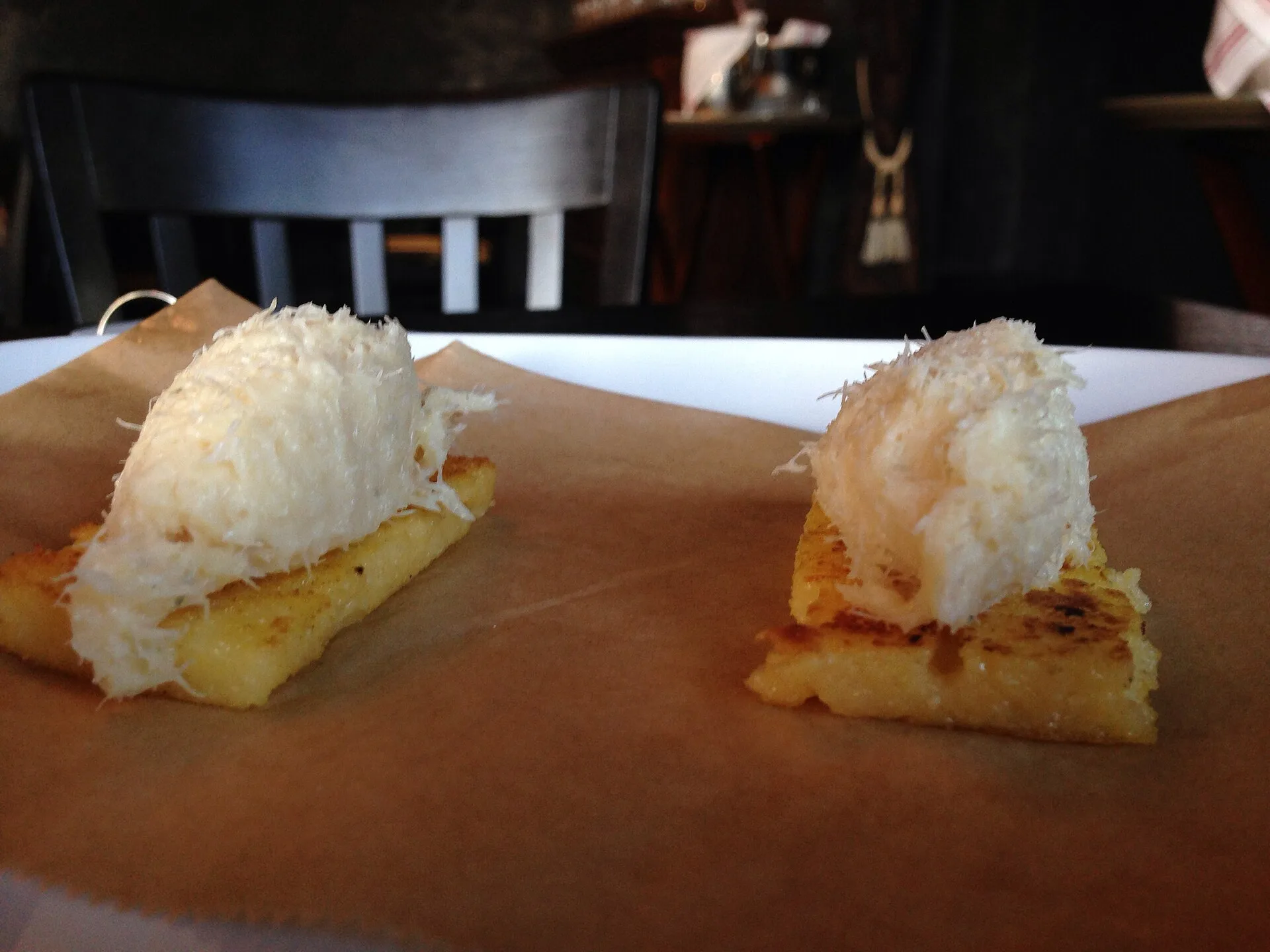
Baccalà mantecato
Season: all year; common on feast days
Dried cod, long soaked, cooked and whipped with olive oil into a soft white cream, with a little garlic and pepper.
It reached the Veneto through northern European trade routes and became a meatless-day dish, then a bar and festival classic.
It is served on grilled polenta slices or toast, always in small portions.
How to try it: One of the easiest cicchetti to find; try it on polenta.
Goes with: Brut prosecco or dry white wine.
Bakery
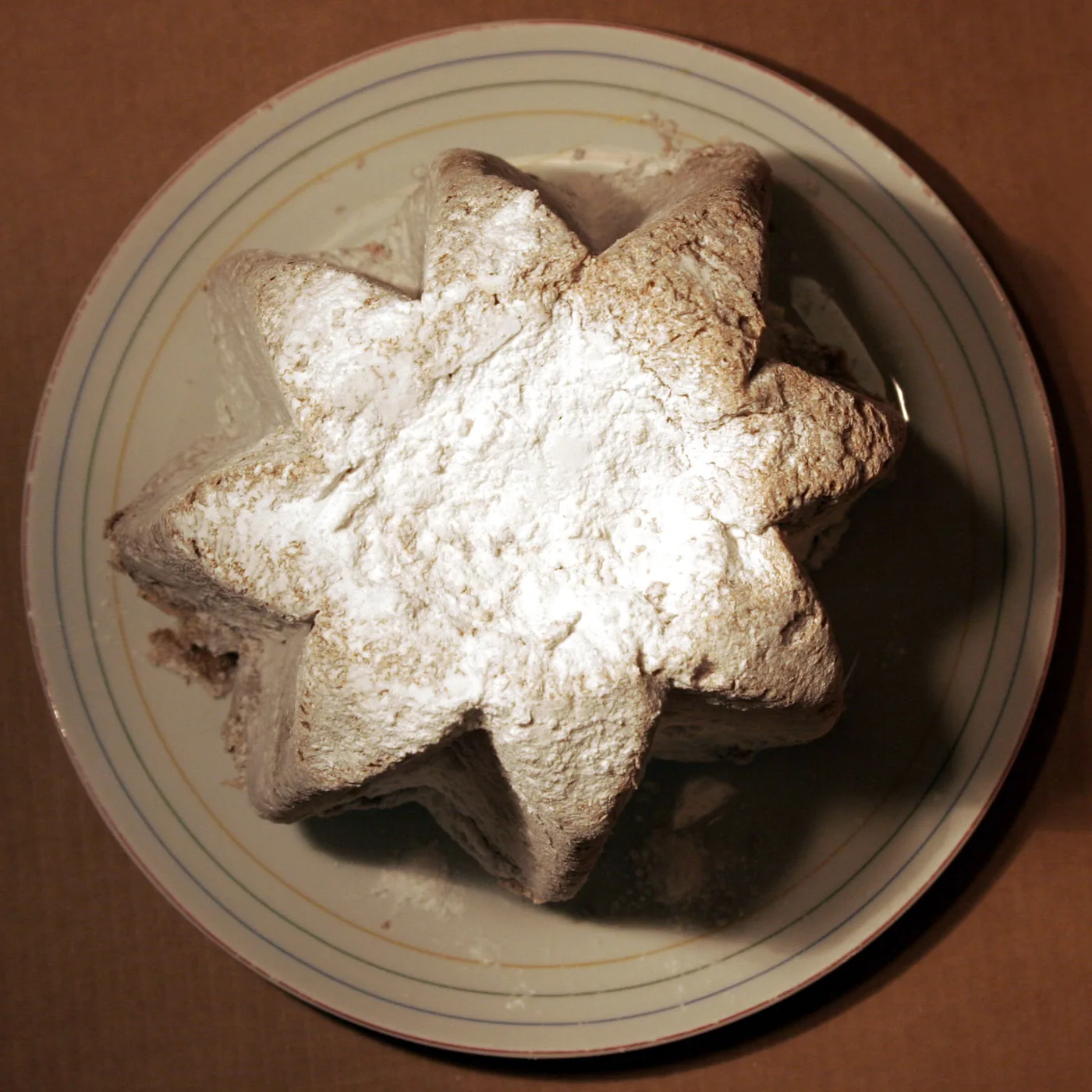
Festive baking: pandoro, panettone and sweet focaccia
Season: Christmas, Easter and local feasts
The Veneto calendar has its own sweets for each feast: tall, light leavened cakes at Christmas, sweet focaccia at Easter, corn biscuits and fried sweets at carnival.
They are long-fermentation products made with butter and eggs and little filling, meant to last days and be shared at home.
Outside those dates, bakeries keep small versions and dry biscuits to go with sweet wine or coffee.
How to try it: Visiting outside Christmas, look for regional dry biscuits in neighbourhood bakeries.
Goes with: Local sweet wine, coffee or hot chocolate.
More traditional things to look for
Spring
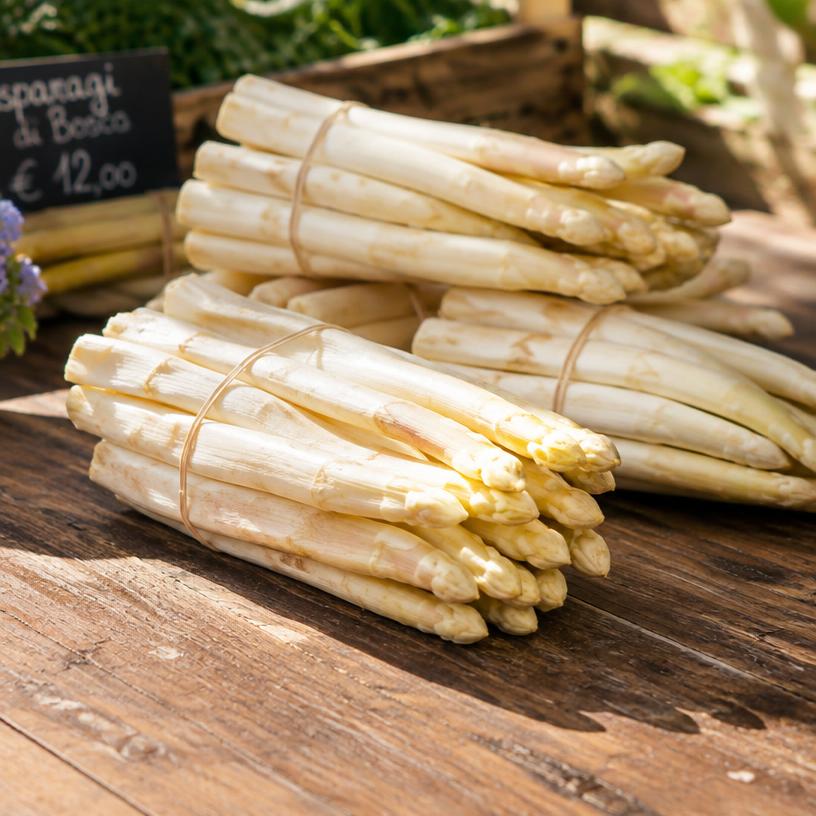
Asparago Bianco di Cimadolmo IGP
White asparagus from the Piave area, served boiled, with eggs, in risotto and pasta.
Autumn
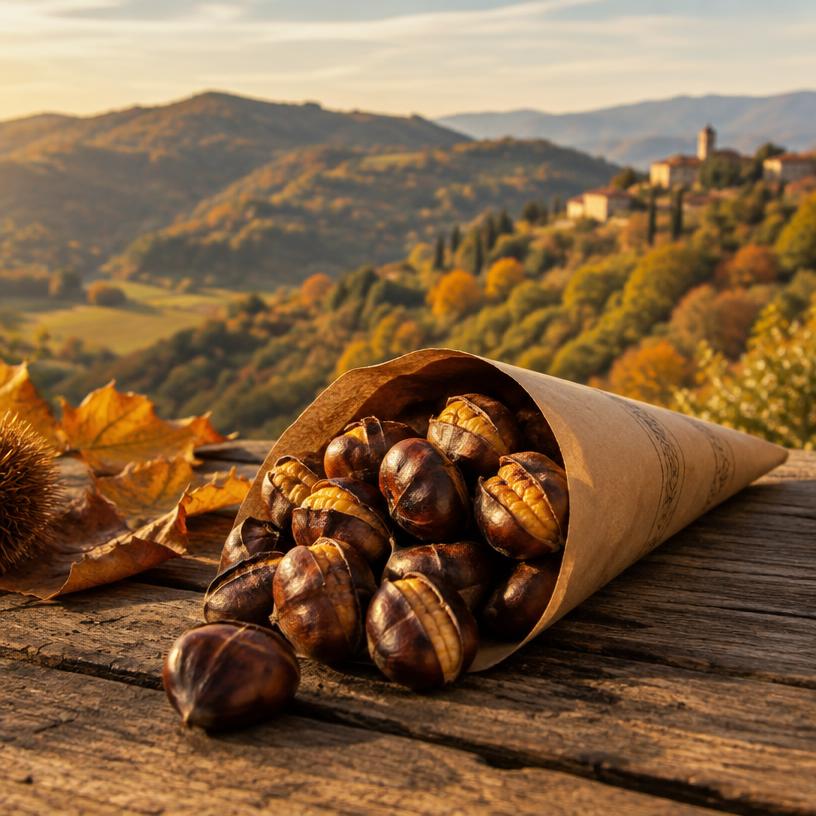
Marroni di Combai IGP
Chestnuts from the Treviso hills, roasted or used in soups, fillings and seasonal sweets.
Cheese
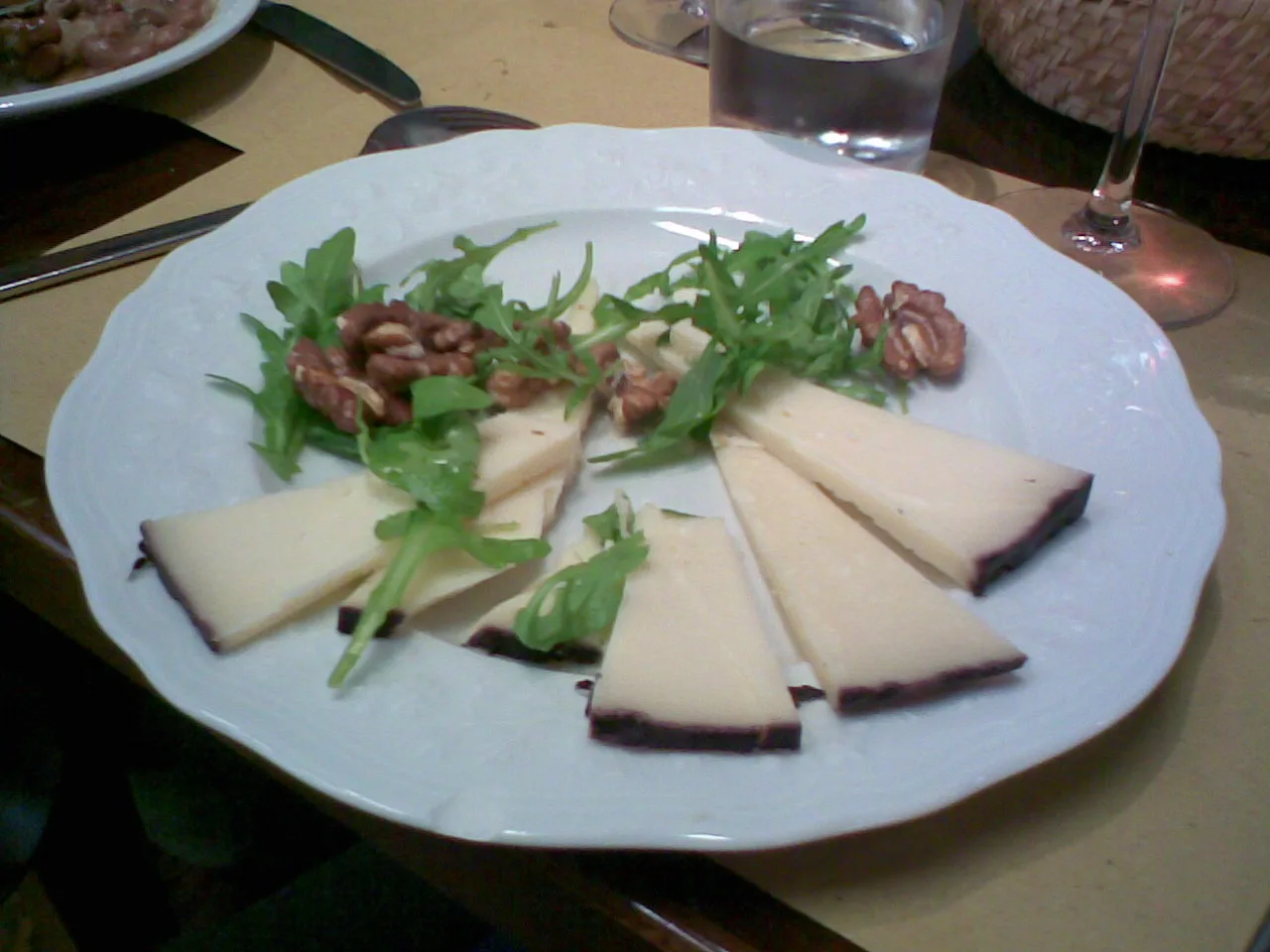
Formaggio ubriaco
Cheese matured in grape pomace, a tradition connected to harvest and wine country.
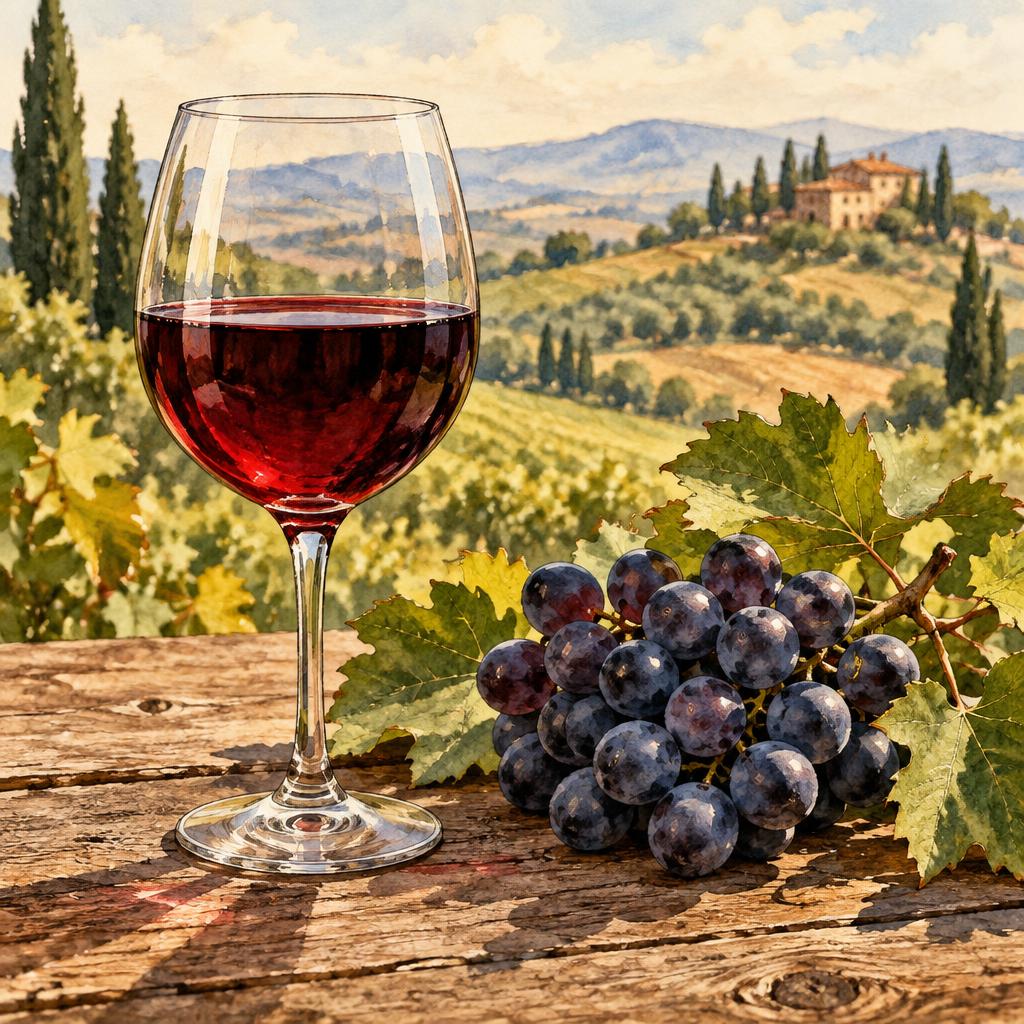
Red wine
Raboso del Piave
A distinctly acidic red tied to the Piave plain, suitable for robust dishes and meat.
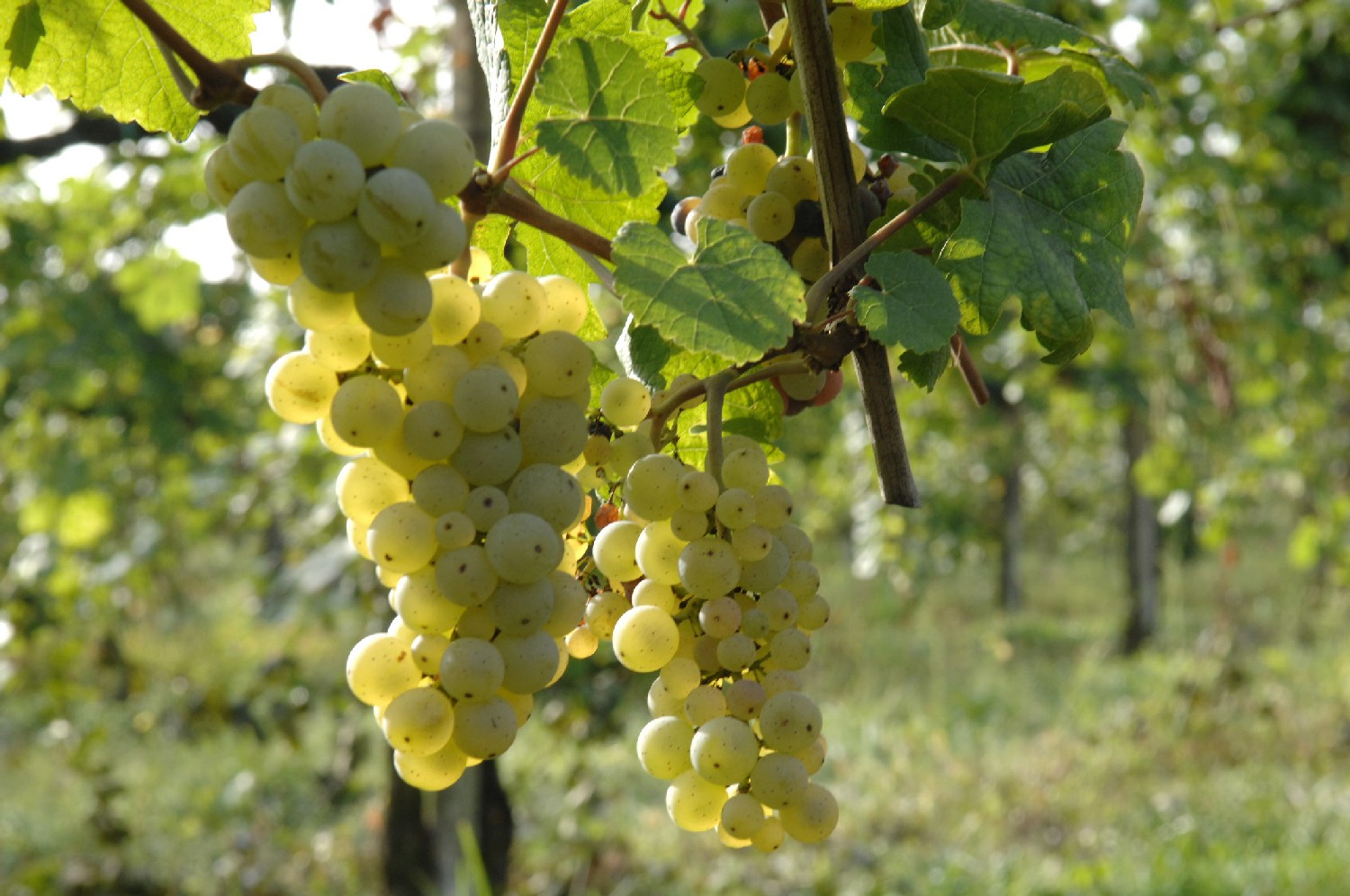
White wine
Manzoni Bianco
A crossing created at Conegliano's wine school and closely tied to local wine history.
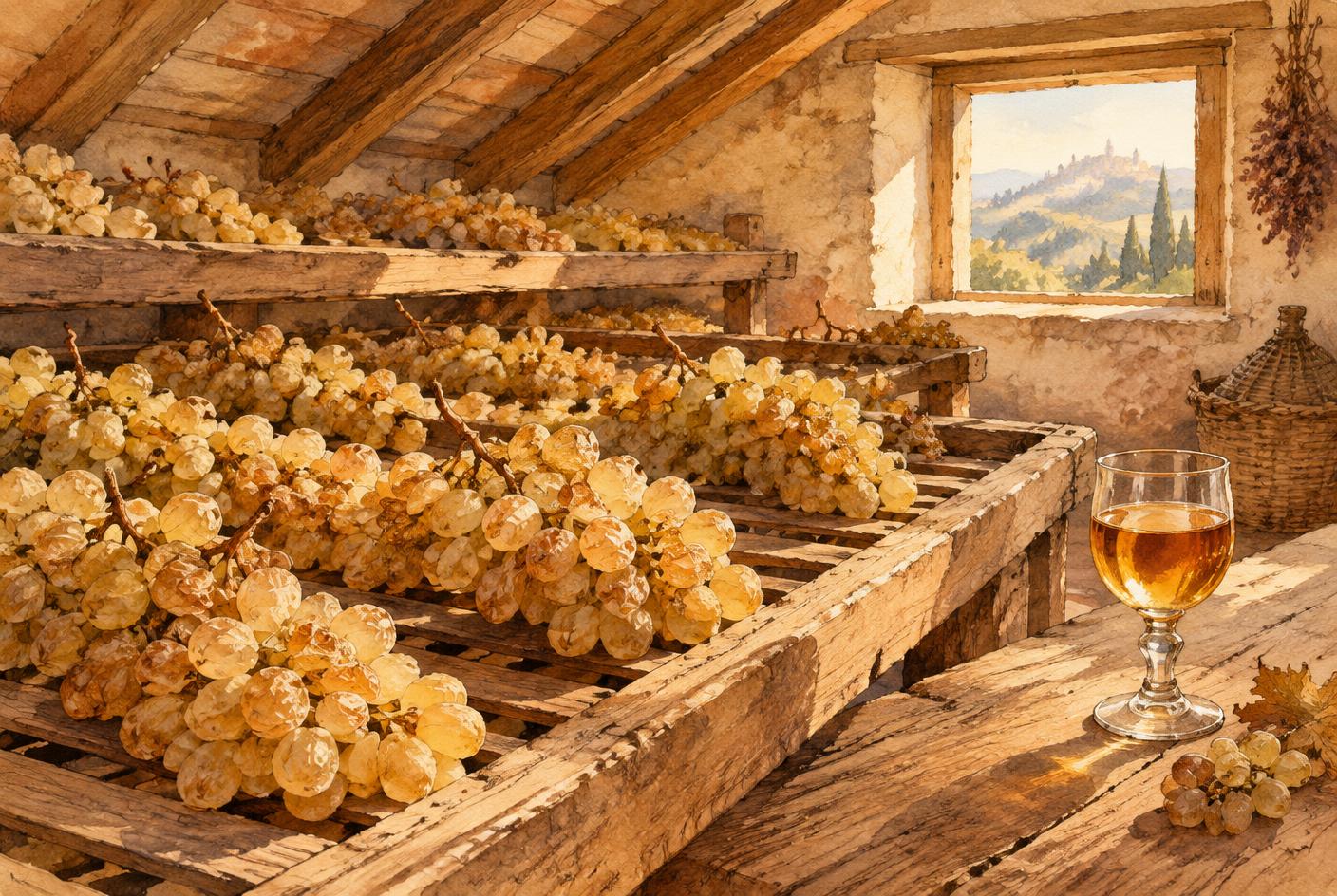
Sweet wine
Torchiato di Fregona
A small-production passito from the Fregona hills, made from grapes dried before pressing.
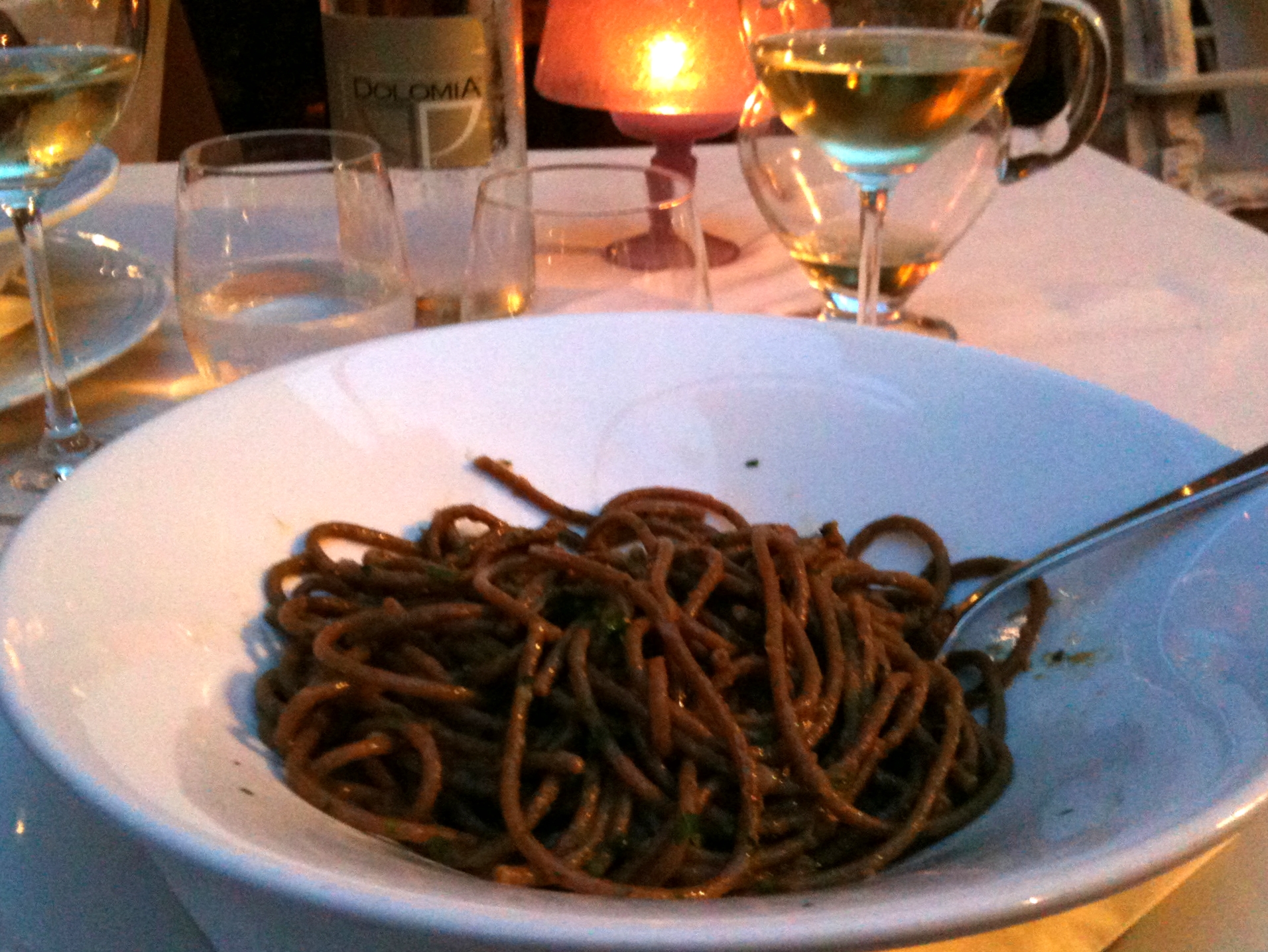
Pasta
Bigoli in salsa
Thick pasta with onion and preserved fish sauce, a Venetian classic also eaten around Treviso.
Home cooking
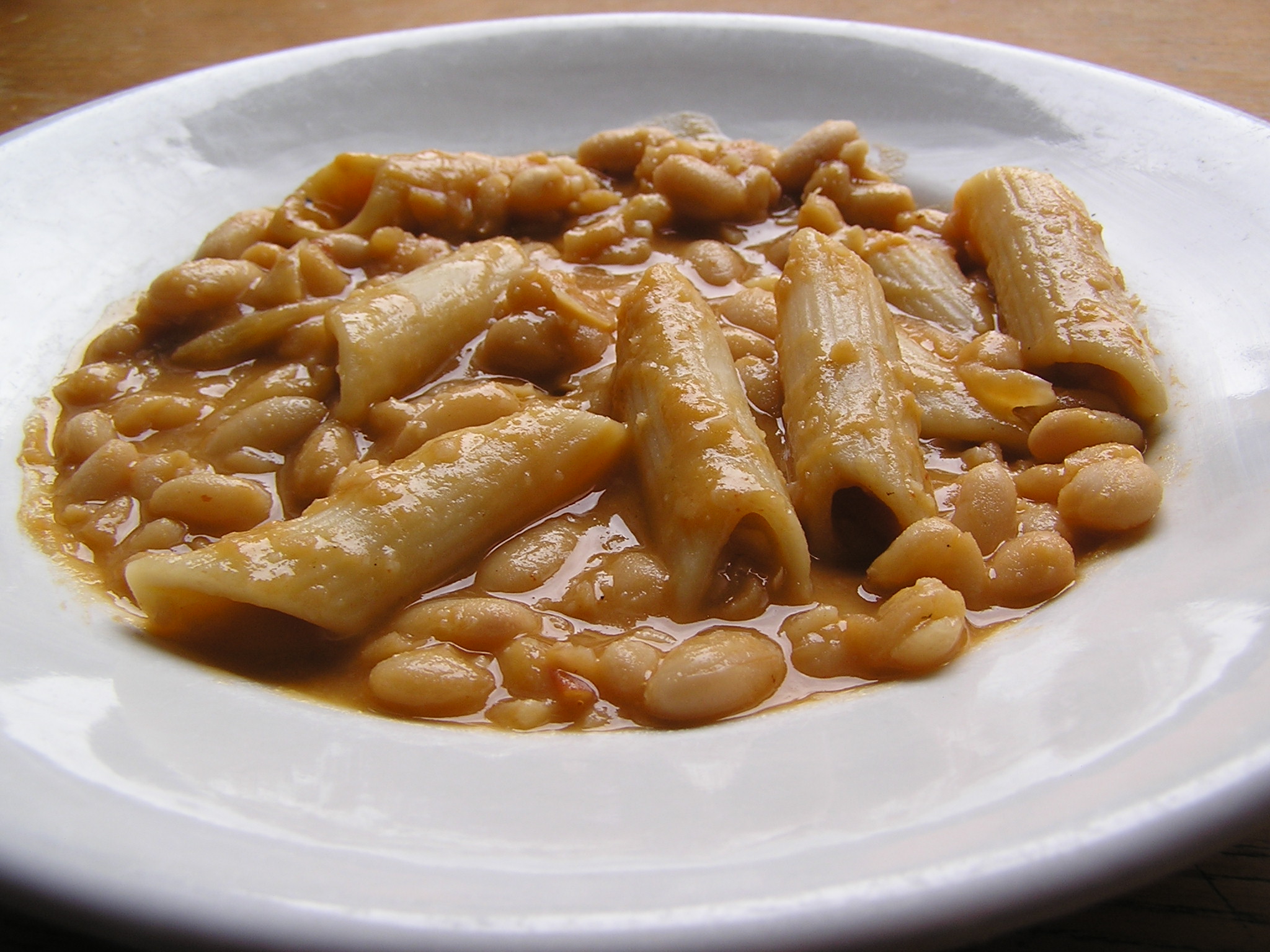
Pasta e fasioi
A thick, comforting pasta and bean dish, particularly welcome in colder months.
Starter
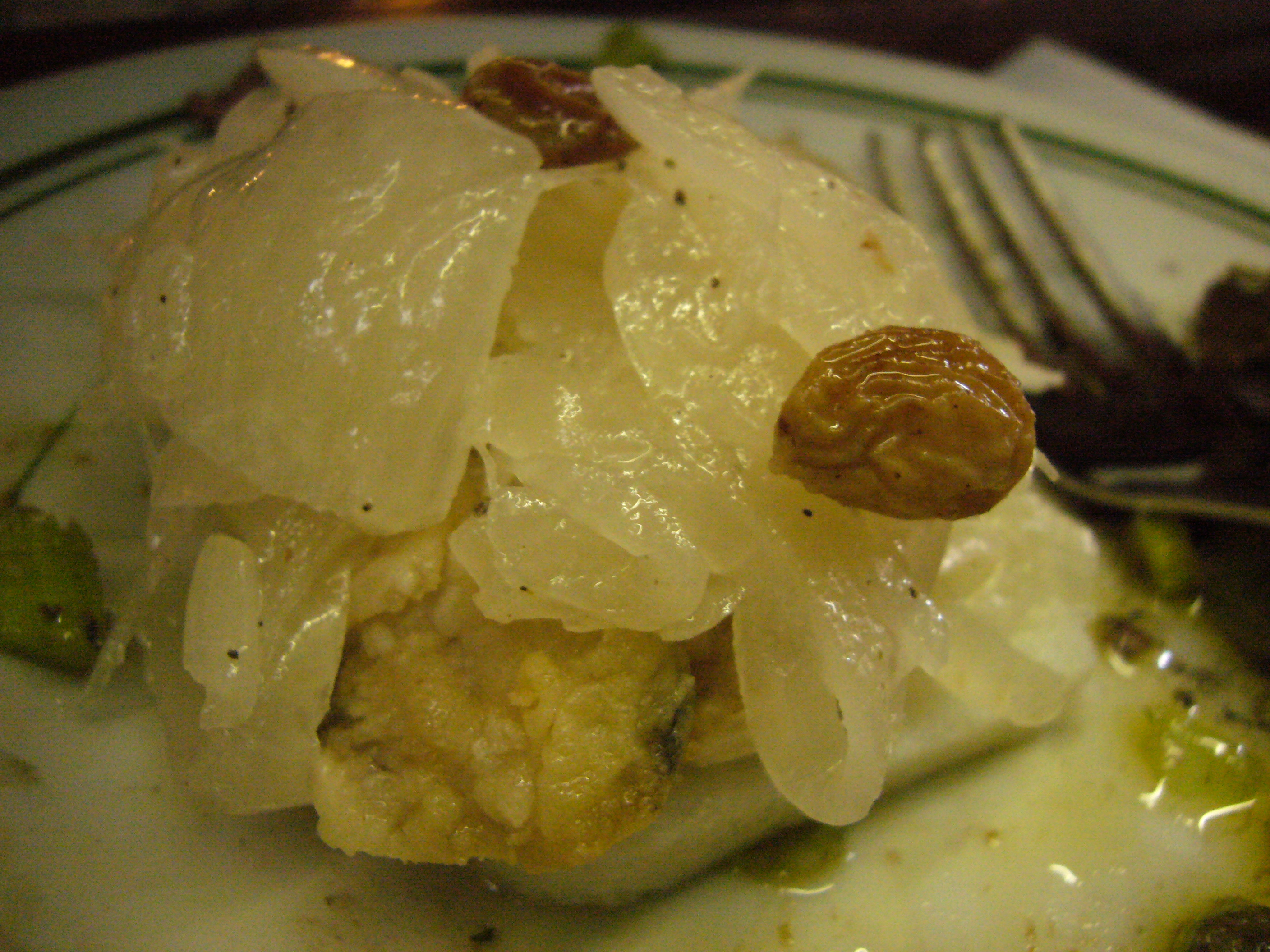
Sarde in saor
Sardines with sweet-and-sour onions, sometimes pine nuts and raisins, from Venice's preserving tradition.
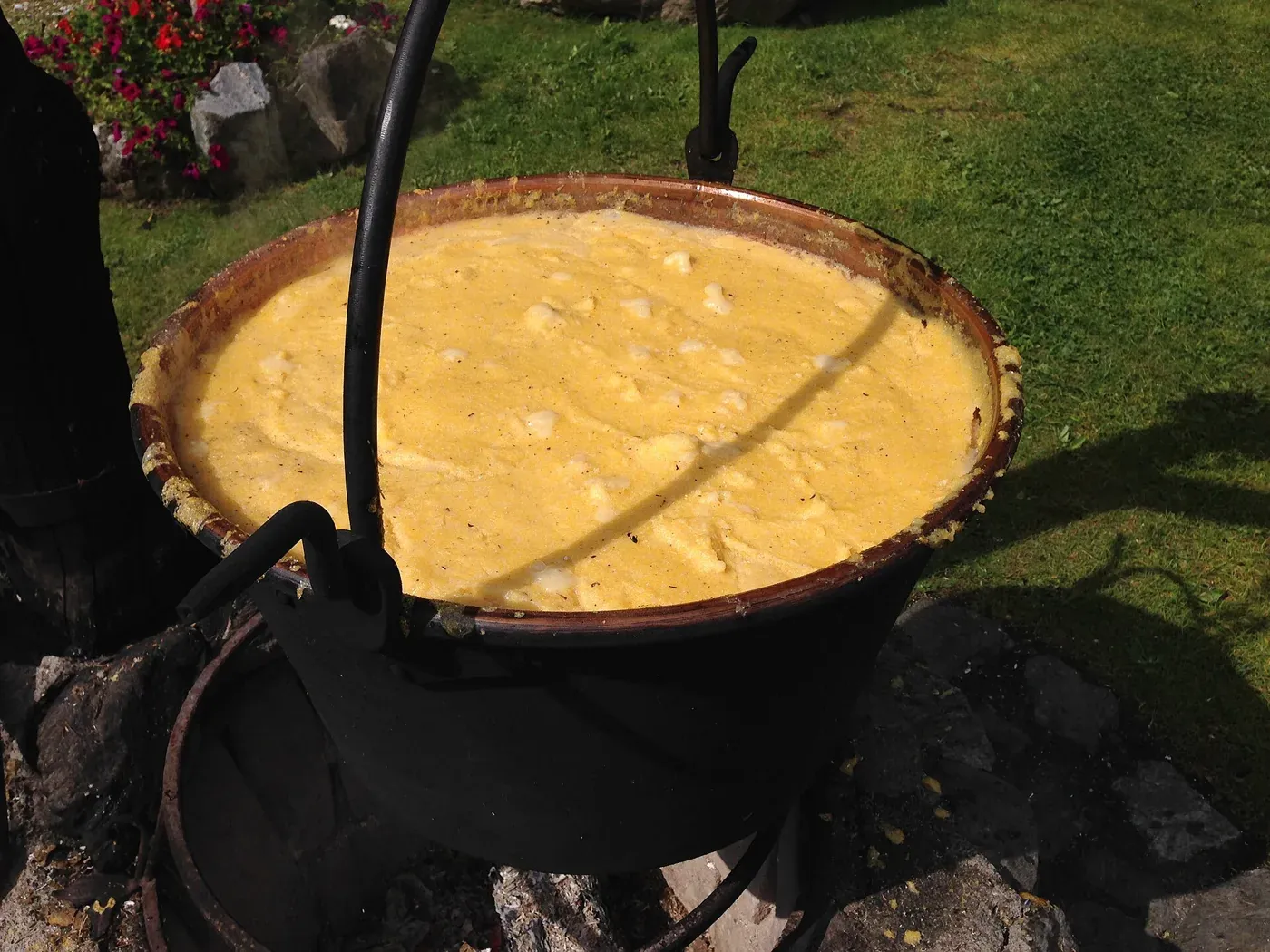
Table staple
Polenta
Soft or grilled, served with fish, mushrooms, cheeses, cured meats and winter dishes.
First course
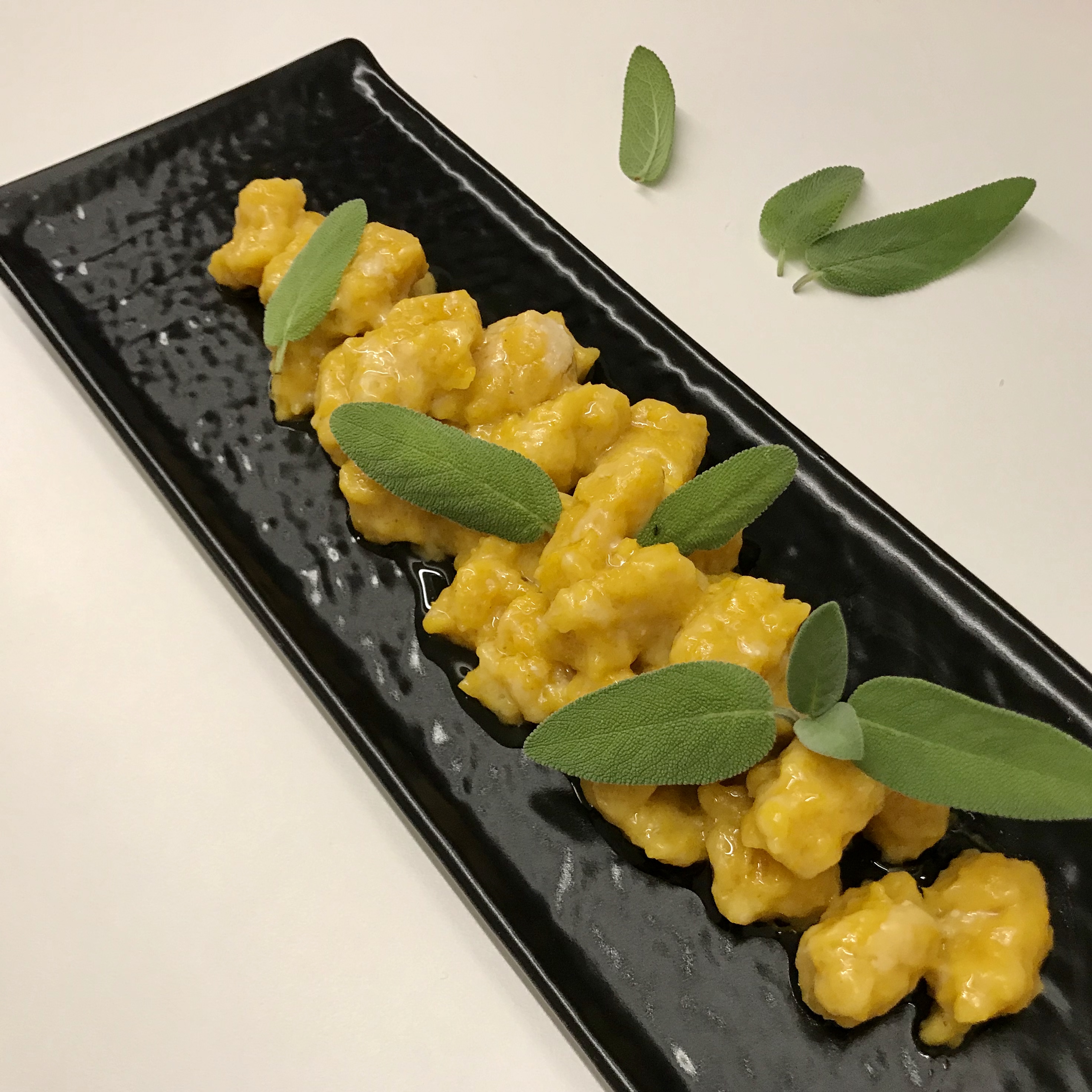
Pumpkin gnocchi
Delicate seasonal gnocchi found across Veneto in autumn.
Garden cooking
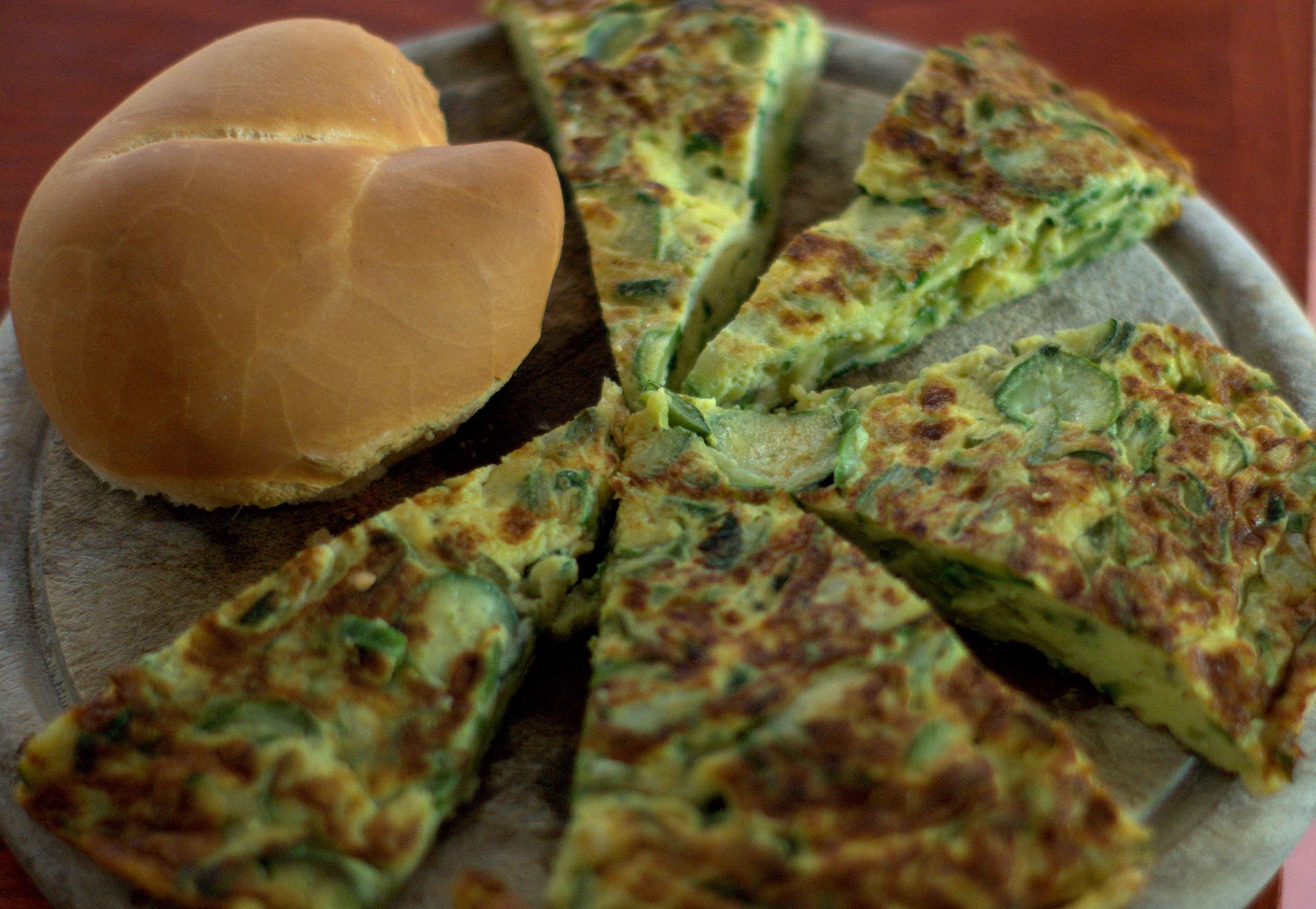
Herb frittata
Eggs with seasonal herbs and leaves, an expression of the plain's simple home cooking.

Fresh water
River fish
Trout and other freshwater fish recall that rivers and springs feed the local table too.
Rustic sweet
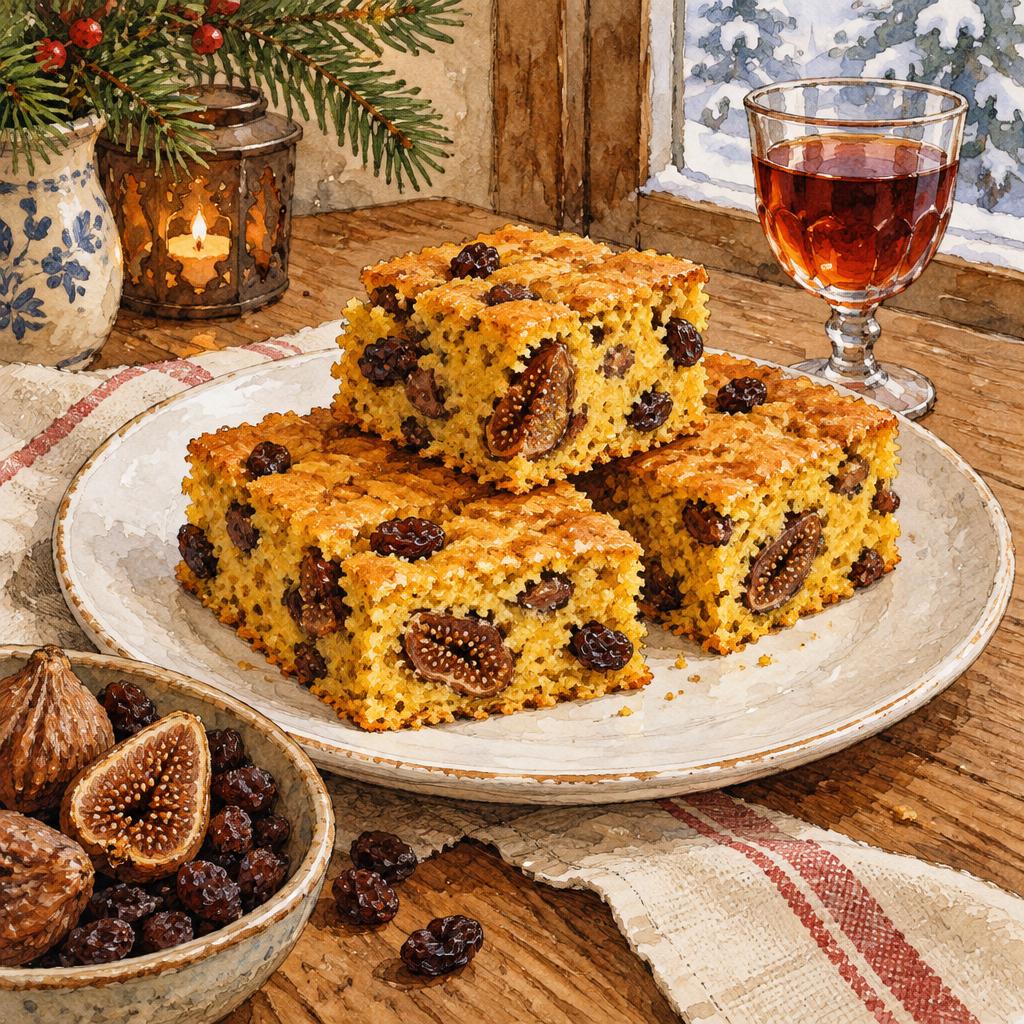
Pinza veneta
A dense cornmeal and dried-fruit cake associated with winter and family celebrations.
Biscuit
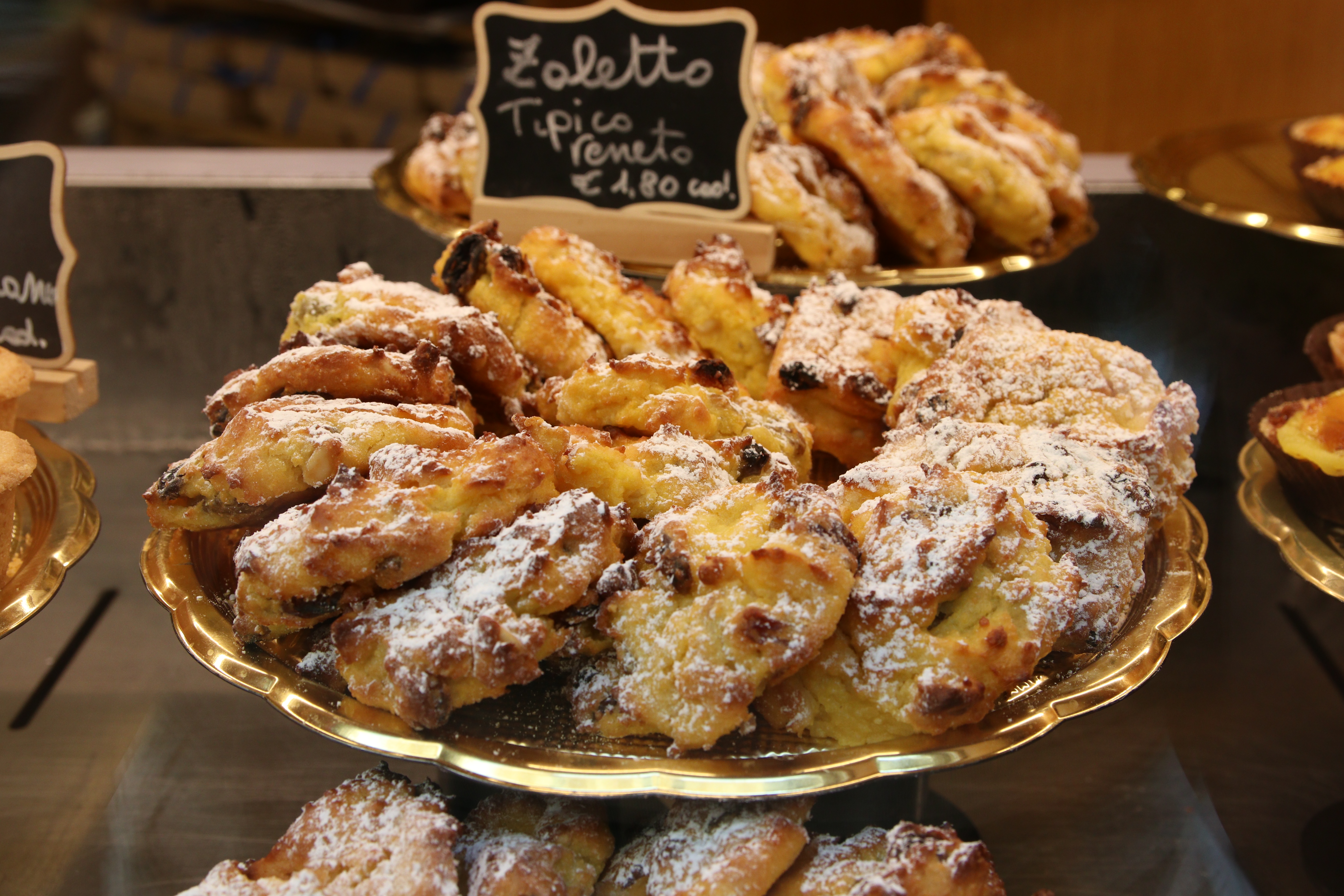
Zaeti
Venetian cornmeal biscuits, often with raisins, served with coffee or sweet wine.
Treviso sweet
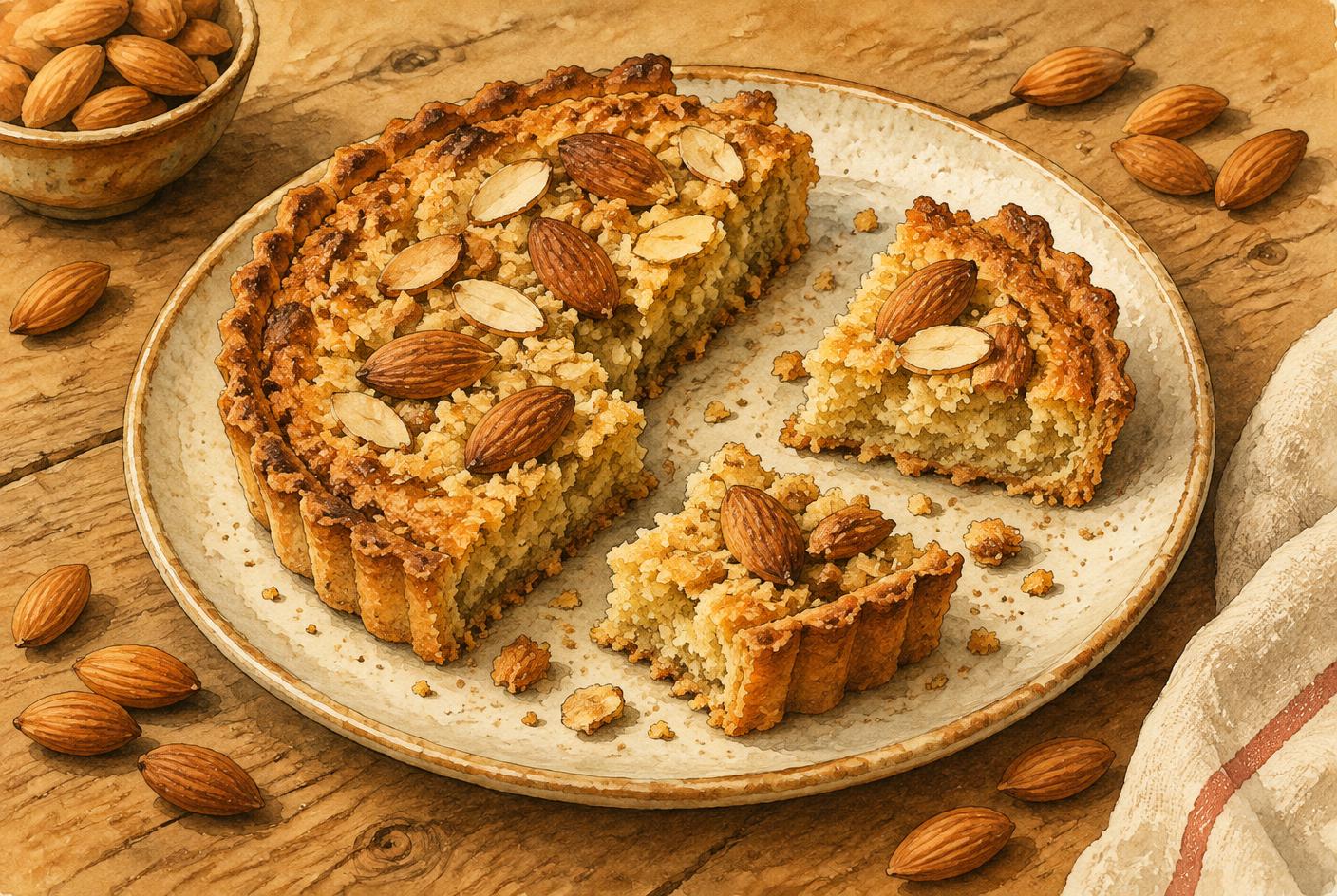
Fregolotta
A dry, crumbly almond cake broken into irregular pieces and shared.
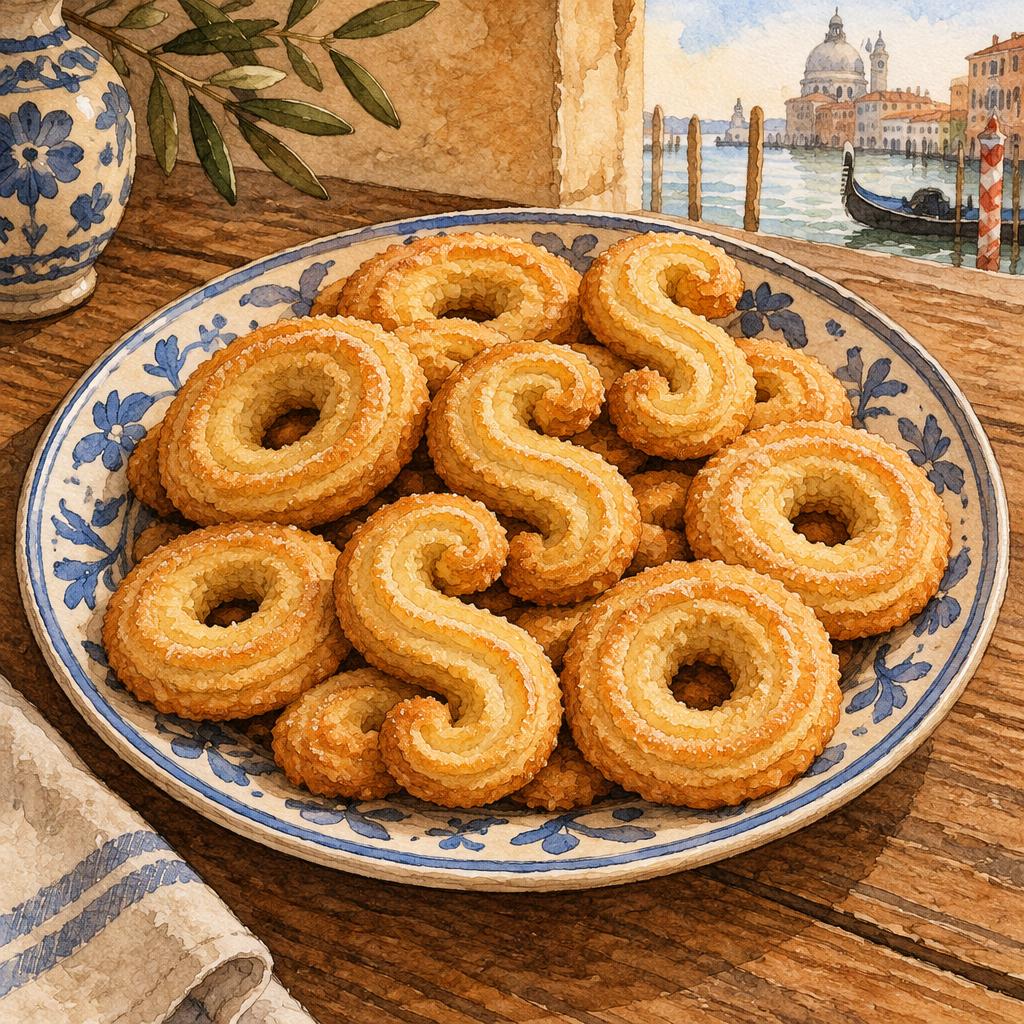
Biscuit
Bussolai
Buttery ring- or S-shaped biscuits from the wider Venetian tradition.
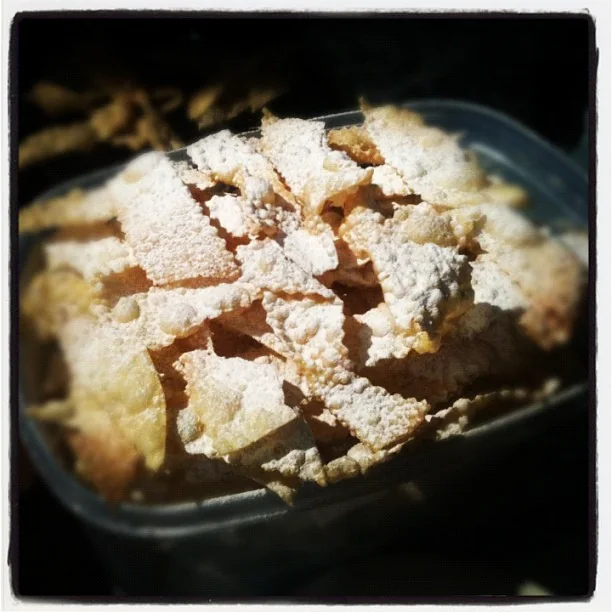
Carnival
Crostoli and frittelle
Fried pastries that appear during Carnival and follow the seasonal calendar.
Flavour calendar
When each thing is at its best.
January and February
late radicchio at its peak, risotto, soups, cured meats
March to May
white asparagus, spring herbs, fresh cheeses, Easter sweet focaccia
June to August
local cherries, river fish, salads, light whites and spritz
September and October
prosecco harvest, grapes, pumpkin, first early radicchio
November and December
chestnuts, new wine, late radicchio after frost, Christmas baking
How people eat here
Small habits that change the experience.
Standing aperitivo
Between 6 and 8 pm, a small glass at the counter and snacks chosen on the spot.
Meal times
Many kitchens serve 12–2.30 pm and 7.30–10 pm; outside those hours, bars are the answer.
Morning market
Garden produce and cheese appear early at street stalls, priced by the kilo.
Polenta as a base
Grilled or soft, it goes with cured meats, cheese, fish and winter dishes.
Short, quick coffee
Taken at the counter in a couple of minutes, usually after dessert.
Words you will hear
- ombra
- small glass of wine drunk at the counter
- cicchetto
- single bar snack
- spritz
- white wine or prosecco with bitter liqueur and soda
- tardivo
- the late radicchio, forced in spring water
- sopressa
- soft, slowly cured salami
- mantecato
- whipped with oil into a cream
One important note
This page covers typical products and dishes and never names restaurants, bars or shops. Availability and season vary each year, and protected-origin products have similar-looking alternatives on the market: ask about origin when the choice matters to you.